

About Seattle Pacific University
 Founded in 1891, Seattle Pacific University has a long and distinguished history in Christian higher education. Now entering a new century, the University is positioned to engage the culture and influence the world for good.
 At a time when the legacy of the secularized modern university is under scrutiny, Seattle Pacific provides more than 3,800 students with a high-quality, comprehensive education grounded on the gospel of Jesus Christ. This combination of vital scholarship and thoughtful faith is a powerful one that brings about lasting change in the lives of our graduates, and in the people and communities they serve.
Located just minutes from downtown Seattle, the leading urban center in the Pacific Northwest, SPU is committed to engaging and serving in the modern city, cultivating a global consciousness, supporting the church, and addressing the crisis of meaning in our culture. These, we believe, will be some of the Christian university's most important contributions in this century.
Statement of Faith
Read the Statement of FaithOur History
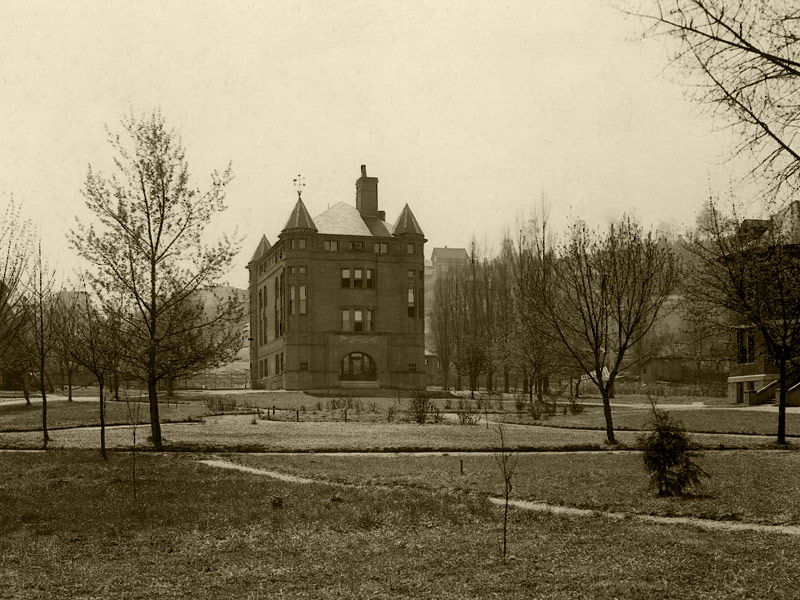 In 1891, delegates to the Oregon and Washington Conference of the Free Methodist Church established a school in Seattle where students would be educated for missionary service. Nils Peterson, a homesteader living on Seattle's Queen Anne Hill, deeded five acres of his property to begin “Seattle Seminary.” Hiram Pease, another Queen Anne resident, volunteered most of the capital and much hard work to erect the school's first structure, the four-story “red brick building” later named Alexander Hall after the school's first principal (and later president) Alexander Beers.
The Early Years 1891–1960s
Seattle Seminary opened with two faculty members, Alexander Beers and his wife, Adelaide. In its first academic term, the seminary registered 34 students in a college preparatory curriculum that included primary and intermediate grades. In 1905, a new administration building was added, later named Peterson Hall after founder Nils Peterson. College-level courses for freshmen entered the curriculum in 1910, and the school's name became The Seattle Seminary and College in 1913. Two years later the name was changed again to Seattle Pacific College, with five students in SPC's first graduating class.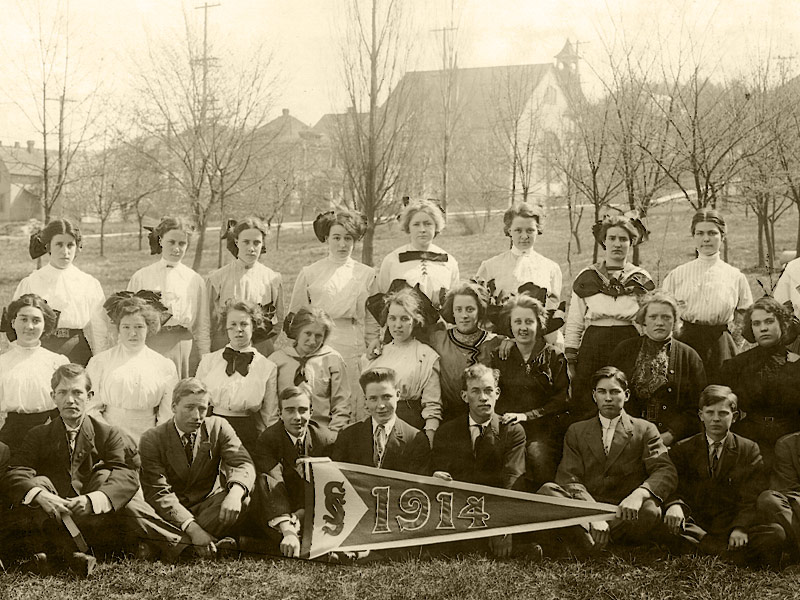 In the 1920s, the College established a normal school for teacher training. The College also began to look beyond its campus into the city to communicate its programs to a wider audience, anticipating its role as a liberal arts college. Enrollment climbed from 40 to more than 400.
 Efforts to raise the stature of the College were the focus of the 1930s. The first summer school program opened in 1931, and SPC's three-year normal school was accredited in 1933. Full accreditation of the College's four-year liberal arts program came in 1936 by the Northwest Association of Schools and Colleges.
Following World War II, the College grew from 400 students to 1,400. In 1949, a School of Recreational Leadership was launched, paving the way for increased physical education programs and intercollegiate sports. During this time, Royal Brougham Pavilion was built to serve SPC’s athletic interests and reach out to city youth.
Between 1944–59, five more buildings were constructed. In 1955, SPC acquired 155 acres on Whidbey Island called Camp Casey. It provided opportunities for field study and outdoor education.
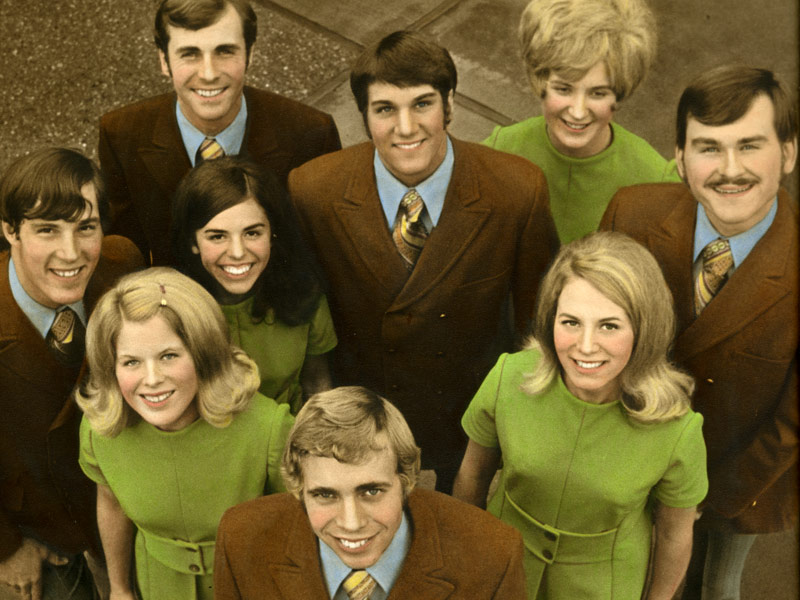 In the 1960s, SPC completed 15 buildings; remodeled 10 existing buildings; made more than 70 real estate acquisitions; and made improvements to Camp Casey.
1970s–Present
In the 1970s, a new academic curriculum focused on the individual and the learning process, and the “scholar-servant” model took form. The SPIRAL program launched in 1975, becoming a model in Washington state for in-service teacher education. In 1976, Seattle Pacific received a gift of 965 acres on Blakely Island in the San Juan Islands; it became an innovative research station. On June 5, 1977, SPC officially became Seattle Pacific University.During the 1980s, Seattle Pacific strengthened ties with the Free Methodist Church and with the evangelical community at large.
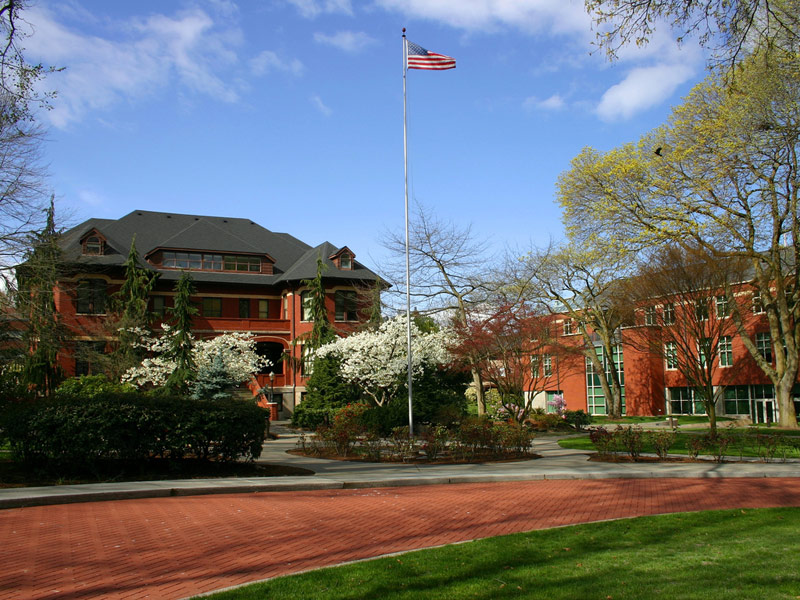 By the 1990s, Seattle Pacific University was becoming a premier Christian university of arts, sciences, and professional studies. In 1991, the University celebrated its Centennial. In 1994, as part of a $25 million capital campaign, SPU opened a $10-million Library that now serves as the heart of the academic program. The “Common Curriculum,” an innovative approach to general education, launched in 1998.
 By 2000, the University announced the Comprehensive Plan for the 21st Century. In 2003, a 64,000-square-foot Science Building opened, and the Otto Miller Hall (formerly the Miller Science Learning Center) underwent a major renovation. In 2005, 2014: A Blueprint for Excellence was unveiled.
Today, SPU remains committed to graduating students who demonstrate both academic competence and personal character — and who will engage the culture and change the world.
Presidents of Seattle Pacific University
- Alexander A. Beers, Ph.B., M.A. 1893-1916
- Orrin E. Tiffany, Ph.D. 1916-1926
- C. Hoyt Watson, Litt.D. 1926-1959
- C. Dorr Demaray, Litt.D. 1959-1968
- David L. McKenna, Ph.D. 1968-1982
- David L. Le Shana, Ph.D. 1982-1991
- Curtis A. Martin, Ph.D. 1991-1994
- E. Arthur Self, Ph.D. 1994-1995
- Philip W. Eaton, Ph.D. 1995-